Tabish Khair’s new novel, Drown All the Refugees, begins with the narrator screaming the line at a literary event, to the astonishment of liberal minded onlookers, amongst whom is a famous writer who feels disgusted and leaves.
The narrator ought to have left too, but he realises that it is necessary to show liberals that “the right to move freely is secondary to the right to stay free.” The novel is the justification of this idea, which prevents a setting, names, or identification from pinning it down.
Anonymity, the novel contends, is a way to remain free in this world of "hollow self-performance".
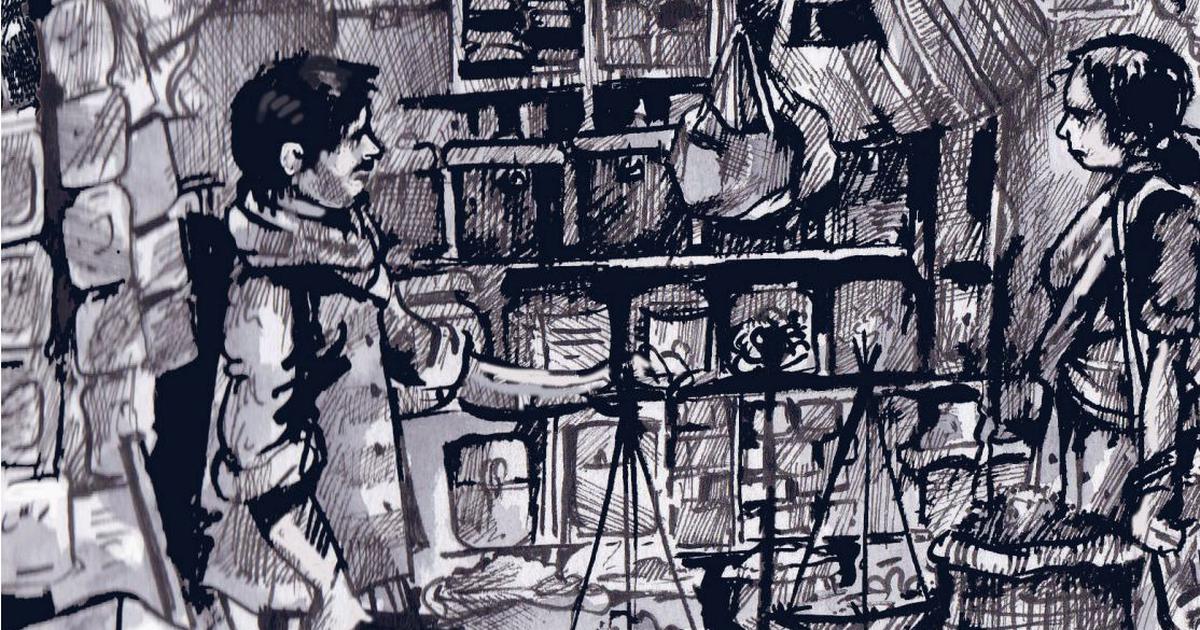
The reader may decipher the clues in the text and the illustrations.
The metafictional narrative blurs the lines between fact and fiction.
The author-narrator insists on writing in his native language, which is neither Bengali nor Hindi, but has many words from both.
He had lived in the spectre of the American dream once and his disillusionment made him return to his land and language in search of his own self.
But his return was complete only after he came back to his plantation estate and realised how little of the land and the people he knew.
The novel is the story of how he learnt, however little, the language of those who lived intricately with the land.
While their language sees reality for what it is, his language is that of material success, which has caused young men like Pedro to become refugees.
“Refuge” means “shelter”, so “refugee” is someone seeking shelter, thus making the act of giving shelter virtuous.
On the other hand, before seeking “refuge”, one is forced out of it.
Refugees flee and seek shelter, making them coveted objects for international border politics.
In the novel, Pedro flees to America, only to be caught in a corporate web of refugee profiteering.
Abdul, the author-narrator’s lover, flees Palestine and Afghanistan to become a multifaceted refugee – political, religious, intellectual, sexual – someone who is fleeing constantly.
The need for shelter is as great as the grief of leaving.
The story focuses on that which is left behind in the process – memory, habits, desires, people.
What is also left behind, the author-narrator is told, is part of the selves of those who flee or are forced to leave....