The Saudi Arabia vs Houthi battle continues to escalate.
On Monday (October 12), the Saudi-led coalition forces announced that they intercepted and destroyed a ballistic missile fired by the Houthis towards Riyadh.
This comes after a weekend of strikes on Riyadh’s King Khalid Airport and other key sites.
In fact, according to Saudi Arabia’s General Authority of Civil Aviation (GACA), at least 20 people have been killed in a series of strikes by Yemen’s Iran-backed Houthi rebels on airports in the Kingdom.
Twenty people have been killed and 356 injured in attacks between October 6 and October 11, stated the GACA.
The attack on October 10 at King Khalid Airport, in which an Indian also died, was among the deadliest in the kingdom in more than a decade, Reuters reported.
And the intensity of these attacks doesn’t seem to be reducing anytime soon.
This has got many asking one question: Why is Saudi Arabia, which is the world’s eighth largest spender on defence, struggling against a non-state actor? We try to get you this answer.
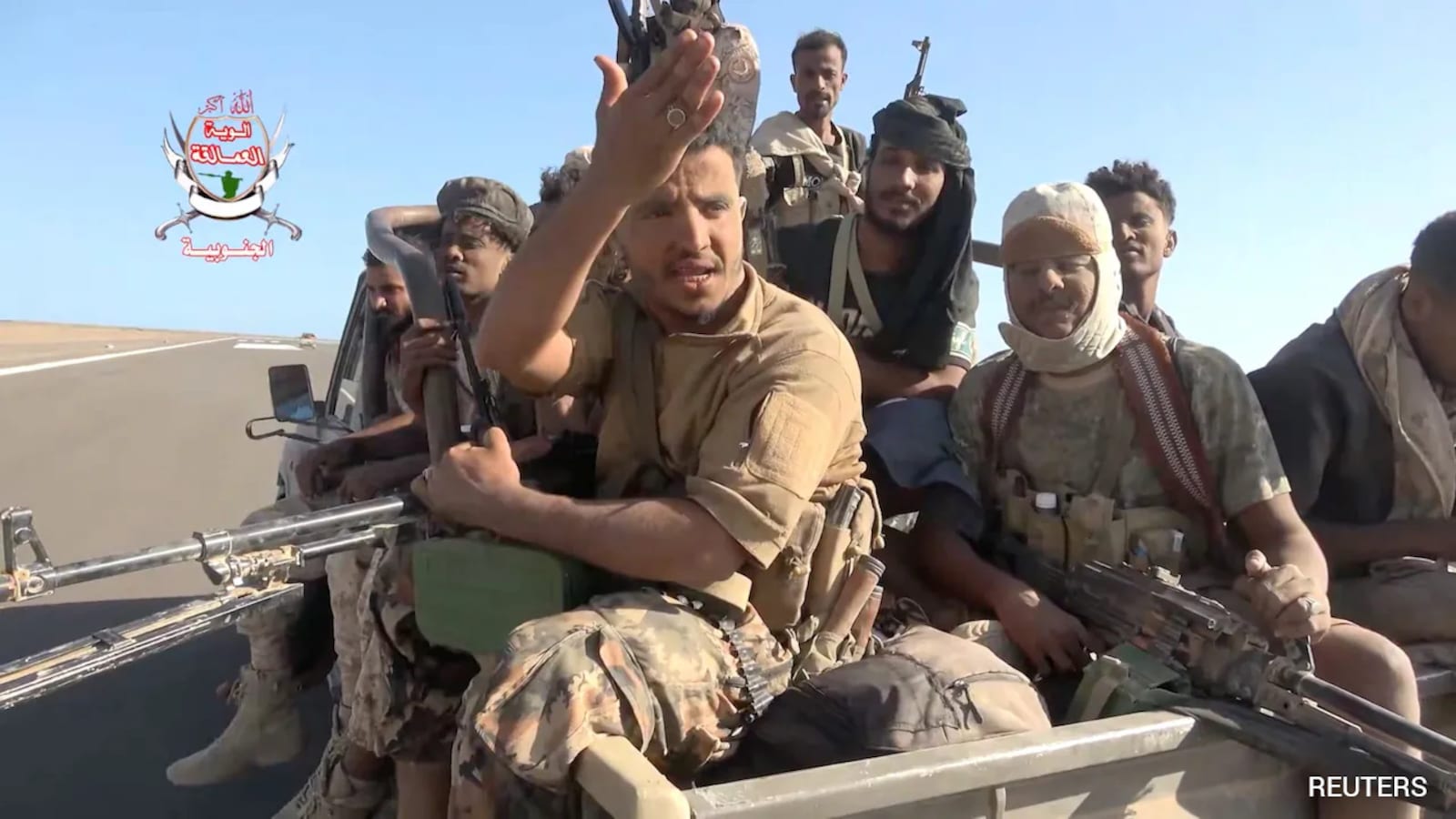
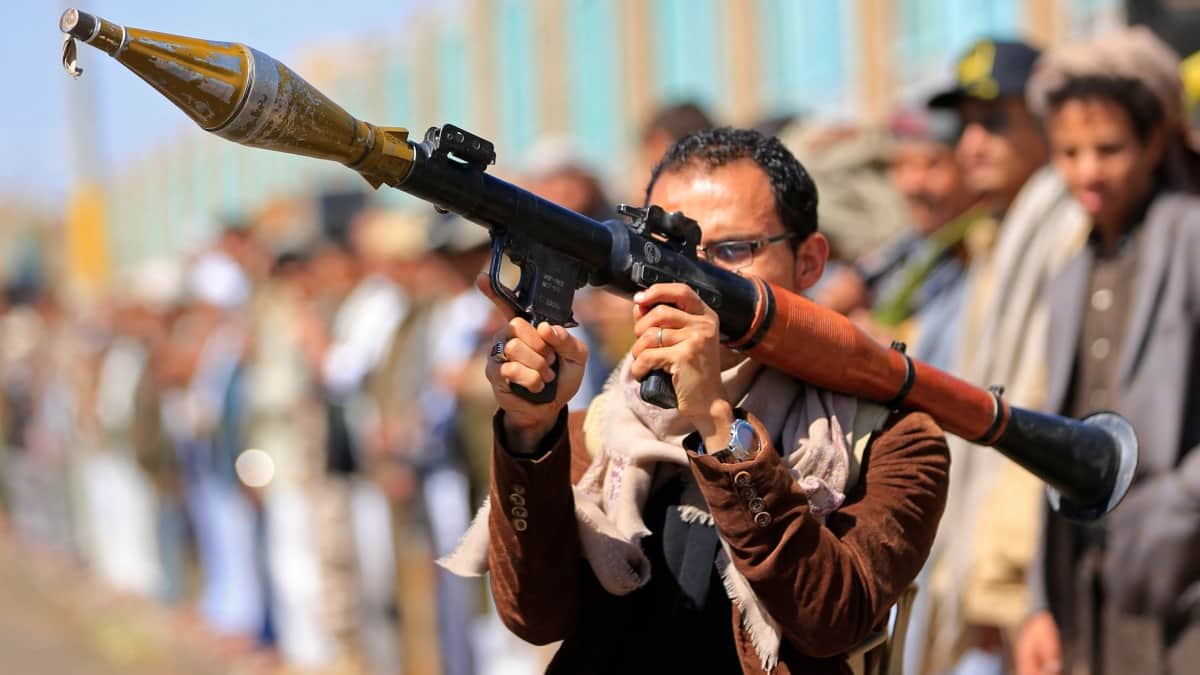
Houthis repeated targeting of Saudi airports Over the past few days, the Iran-backed Houthis have escalated their fighting against Riyadh by targeting the Kingdom’s airports.
Since October 6, they have struck various airports in Saudi Arabia, including the King Khalid International Airport in Riyadh.
In fact, this facility has been struck four times in the past five days.
On Sunday, a Pakistani man was killed in an attack on the airport, which came a day after a Houthi missile hit another terminal, killing 13 people and forcing its closure.
This was followed by more missiles being fired at Saudi Arabian cities by the Houthis on Monday, Saudi Arabia’s military spokesperson said.
The moment King Khalid International Airport in Riyadh was hit by a Houthi strike on October 10.
The deadliest strike on Saudi soil in more than a decade killed 12 people at Riyadh's international airport and wounded hundreds.
AFP Other airports have also been struck, prompting Saudi authorities to suspend all flights to and from Riyadh's main international airport until next Saturday.
Hisham al-Omeisy, a conflict analyst and adviser at the European Institute of Peace, told Al Jazeera that he believed that the Houthis would keep up the attacks and even escalate further by targeting oil pipelines and energy facilities.
Moreover, attacks on airports would continue because of the strong “public response” to hitting such targets.
“They are a maximalist group, and they’re there to do whatever they need to do to get to what they want,” the analyst said.
According to Andreas Krieg from the London-based MENA Analytica risk firm, the Houthis understand how important the airport is for Saudi Arabia’s Vision 2030, led by Crown Prince Mohammed bin Salman, which aims to make Riyadh a major hub for tourists, multinational companies, and international events.
He further warned that while disrupting Riyadh’s airport may not erode Saudi military power, repeated attacks inflict economic and psychological costs that exceed the physical damage.
Saudi Arabia’s firepower vs Houthis military might The repeated targeting of Saudi airports by the Houthis has put a spotlight on the military might of both powers.
Many are asking how much firepower each warring faction has.
On paper, the balance is overwhelmingly in Saudi Arabia’s favour.
Saudi Arabia spent about $83 billion on defence spending last year — a whopping 6.5 per cent of its GDP — making it the world’s eighth-largest in military spending.
Riyadh possesses advanced fighter aircraft, precision weapons, sophisticated air defences and extensive access to Western intelligence and technology.
Saudi Arabia boasts of having F-15 fighter jets, Eurofighter Typhoons, Patriot and THAAD missile systems, among other state-of-the-art gear in its arsenal.
Members of Saudi security forces in the holy city of Mecca.
In addition to having 250,000 active troops, the kingdom....