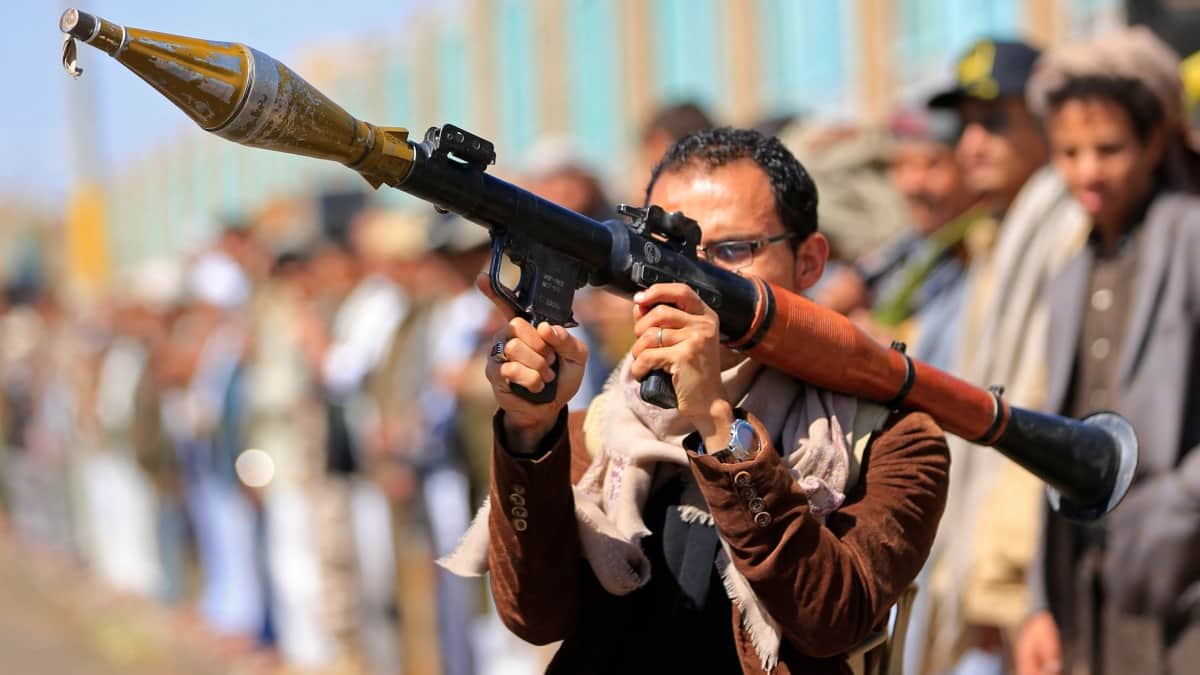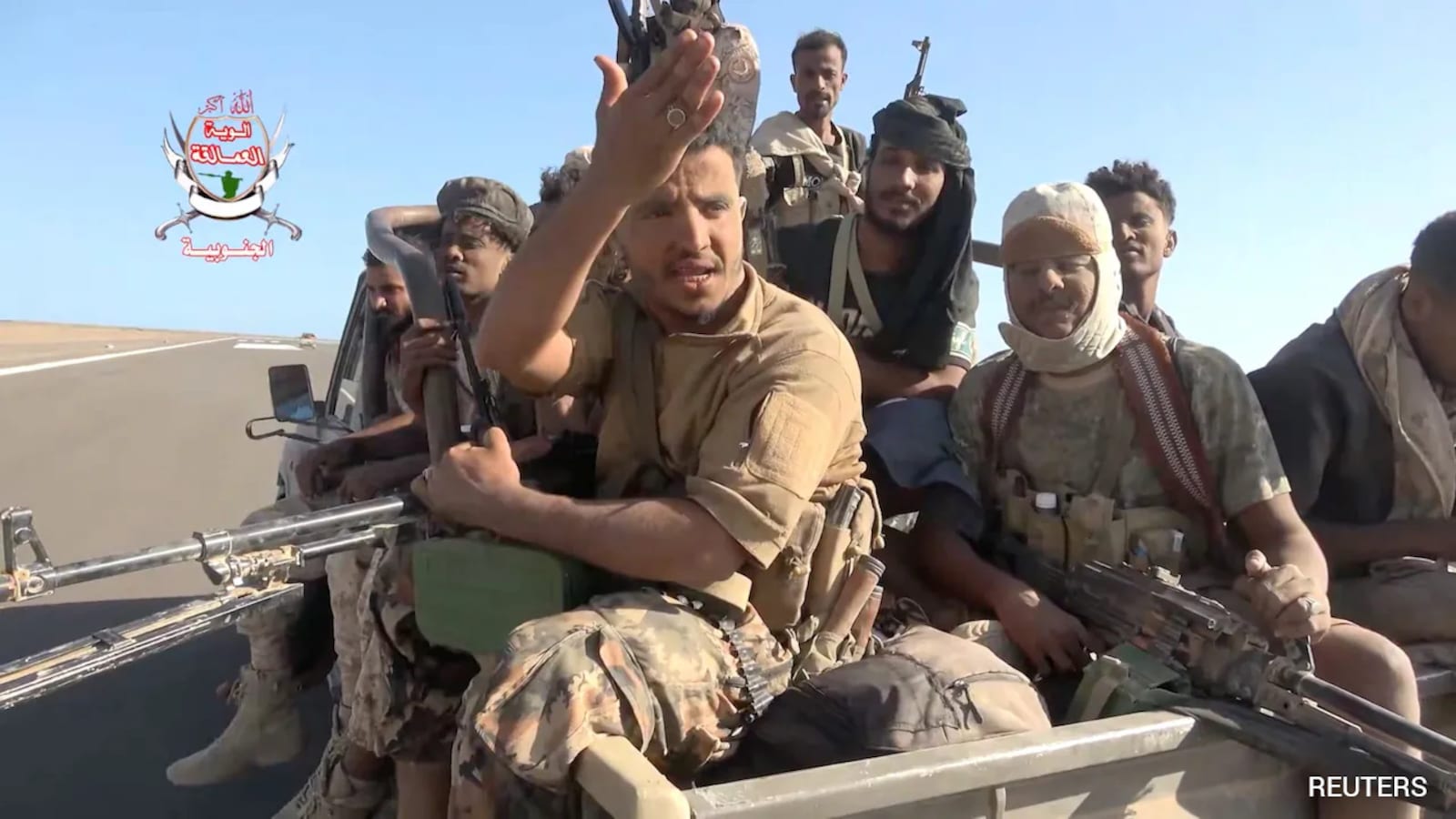
Iran-backed Houthis have said they launched a new ballistic missile strike on Riyadh's King Khalid International Airport, while Saudi Arabia investigates how its air defences failed to intercept a barrage of attacks from Yemeni rebels.
Houthi military spokesman Yahya Sarea said that the rebel group targeted the Riyadh airport with a ballistic missile, claiming the missile "accurately hit" the target, according to a report by the Xinhua News Agency.
Houthis also claimed to have launched a drone attack on King Khalid Air Base in Khamis Mushait, southwestern Saudi Arabia, and said it scored a direct hit.Meanwhile, the Saudi-led military coalition fighting the Houthis said that its forces intercepted a ballistic missile fired by the Iran-backed group at the capital, Riyadh.
"Interception and destruction of a ballistic missile launched by the terrorist Houthi militia towards Riyadh," Major General Turki al-Malki, a spokesman for the coalition, wrote on X.A Saudi official, speaking on condition of anonymity, also told the Associated Press that it is probing the recent attack, intending to find out why air defence systems did not provide earlier warning of the strikes in which the Houthi missiles and drones flew over 1,000 kilometres to reach Riyadh.The incident, one of a string of Houthi attacks on Saudi airports since last week, has exposed vulnerabilities in Saudi Arabia's defence system and signalled a dangerous inflection point in an expanding Middle East conflict that began more than seven months ago when the US and Israel launched their war against Iran.It also raises questions about who the Houthis are and why Saudi authorities are increasingly struggling to fight them.
Also Read: Iran-Backed Houthis Claim Attack Targeting Riyadh Airport With MissileWho Are the Houthis: The OriginThe Houthis are a military, political and religious movement that rules over most of northwest Yemen and has disrupted global trade and energy markets with attacks on cargo ships and tankers in the Red Sea.
The group emerged in far north Yemen in the 1990s as a revival movement for the Zaydi sect of Shi'ite Islam, which had once ruled Yemen but whose northern heartland had become impoverished and marginalised.It fought a series of guerrilla wars against Yemen's national army and a brief border conflict with Sunni Saudi Arabia.Photo Credit: Graphic generated by NDTVWhen Yemen's long-time president Ali Abdullah Saleh was brought down in the 2011 "Arab Spring" protests, the group consolidated its control over northern Yemen, rejecting a Gulf-backed political transition.
With Iranian support, the group's secretive leader, Abdul Malik al-Houthi, was meanwhile turning his faction of mountain fighters into a force of tens of thousands.In 2014, they seized the capital Sanaa, driving the internationally recognised government south towards Aden.The Houthi movement calls itself Ansar Allah ("Defenders of God").
The popularised term "Houthi movement" refers to its founder, the late leader, Hussein Badruddin Houthi.Also Read: Why Saudi Arabia's $83 Billion Military Is Struggling Against HouthisWhat's Behind The Houthi Conflict With Saudi?Fearful of growing Iranian influence in Yemen and chaos on its borders, Saudi Arabia led a military intervention against the Houthis in early 2015 to dislodge the group, restore the government and revive the transition plan.The resulting civil war triggered one of the world's biggest humanitarian crises and led to years of bitter fighting and devastating airstrikes by Saudi Arabia and its coalition partners, including the United Arab Emirates.However, neither side was able to gain much ground in Yemen's mountainous terrain, and the Houthis remained in control of the northwest, where most of the population lives.
They demonstrated significant missile and drone capabilities, attacking oil installations and vital infrastructure in Saudi Arabia and the UAE.After years of....