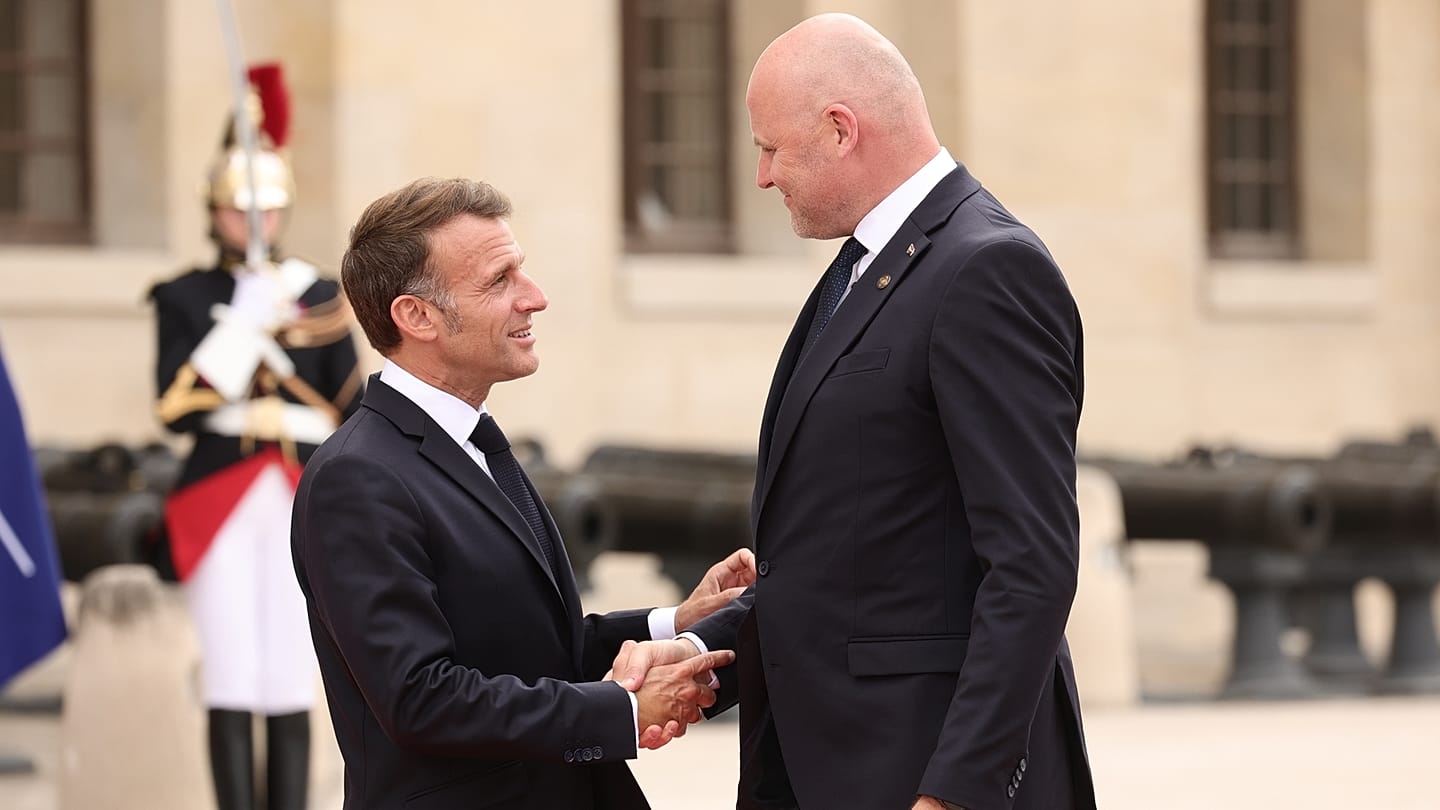
David vs Goliath: Latvian Prime Minister Andris Kulbergs has criticised the EU for “cherry-picking” sanctions on Moscow in a move he says “normalises Russia”, after his small Baltic nation showed its teeth yesterday while opposing a push to remove two oligarchs from the EU’s blacklist.Reminder: EU heavyweight France had stunned EU diplomats by pushing to remove Uzbek-Russian oligarch Alisher Usmanov from the sanctions list as part of a prisoner release deal with Azerbaijan.
Slovakia had also been lobbying to remove a second businessman, Mikhail Fridman, from the list.Latvia fiercely opposed the move hours before a looming deadline on the sanctions’ renewal yesterday.
The Baltic nation finally allowed both men to be delisted to avoid torpedoing the entire deal, which was needed to renew sanctions on some 2,600 individuals.
My colleague Jorge Liboreiro has the details.Speaking exclusively to my colleague Angela Skujins, Prime Minister Kulbergs said he had eventually dropped his opposition because "we all understood it is not worth risking" the whole EU sanctions package.Sending the wrong message: “I’m worried about the playbook which it leaves,” Kulbergs cautioned, however, adding: “This is normalising Russia.” Watch.Low energy: Meanwhile, French President Emmanuel Macron has asked Brussels to take emergency steps to boost Europe’s diesel and jet fuel supply, according to a letter seen by Euronews’ energy reporter Marta Pacheco.
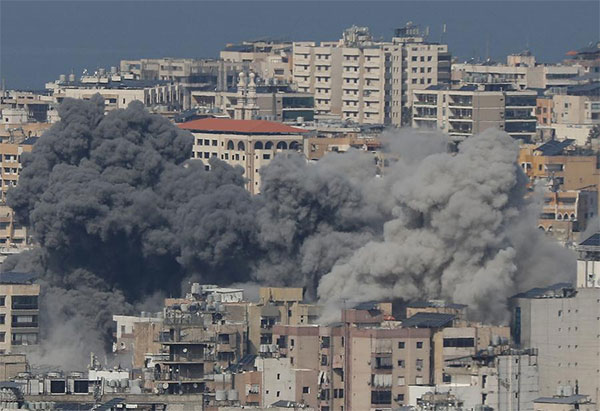
The communiqué comes as the prolonged closure of the Strait of Hormuz and renewed attacks on energy infrastructure in the Middle East threaten to further tighten global oil markets."In recent weeks, international supply has deteriorated once again, driven by the combined impact of the targeting of energy infrastructure — in Russia and the Middle East — and the recovery of consumption in Asia," reads the letter addressed to European Commission President Ursula von der Leyen and sent on 18 September.
The EU executive in Brussels acknowledged yesterday it had received the letter, but stayed silent on which measures it would be tabling.EU holds firm on Chinese power inverter phase-out: Meanwhile, the Commission will not extend its 1 November deadline for phasing out Chinese-made power inverters from EU-funded energy projects, despite calls from investors and the renewable energy industry for more time, my colleague Luca Bertuzzi writes this morning.Industry groups and institutional investors had hoped Brussels would delay the deadline amid concerns over the availability and cost of alternatives.
But EU officials told Euronews the Commission intends to stick to its timetable.Today in New York: European Commissioner for the Mediterranean Dubravka Šuica is set to announce the signing of two recovery projects for Gaza worth a total of $50 million (€43.7 million), my colleague Eleonora Vasques reports.
The announcement will be made on the margins of the UN General Assembly.UN agencies will implement the projects to provide essential services (water, sanitation and waste management) in the Strip.
The projects are part of the “Team Gaza Initiative,” launched by the European Commission in July at the Palestine Donor Group meeting, which raised $1 billion (roughly €875 million) to support Gaza.Greenland deal: Meanwhile in New York on Tuesday, US President Donald Trump, Danish Prime Minister Mette Frederiksen, and Greenland PM Jens-Frederik Nielsen signed a deal allowing the US to expand its military presence on Greenland through the....