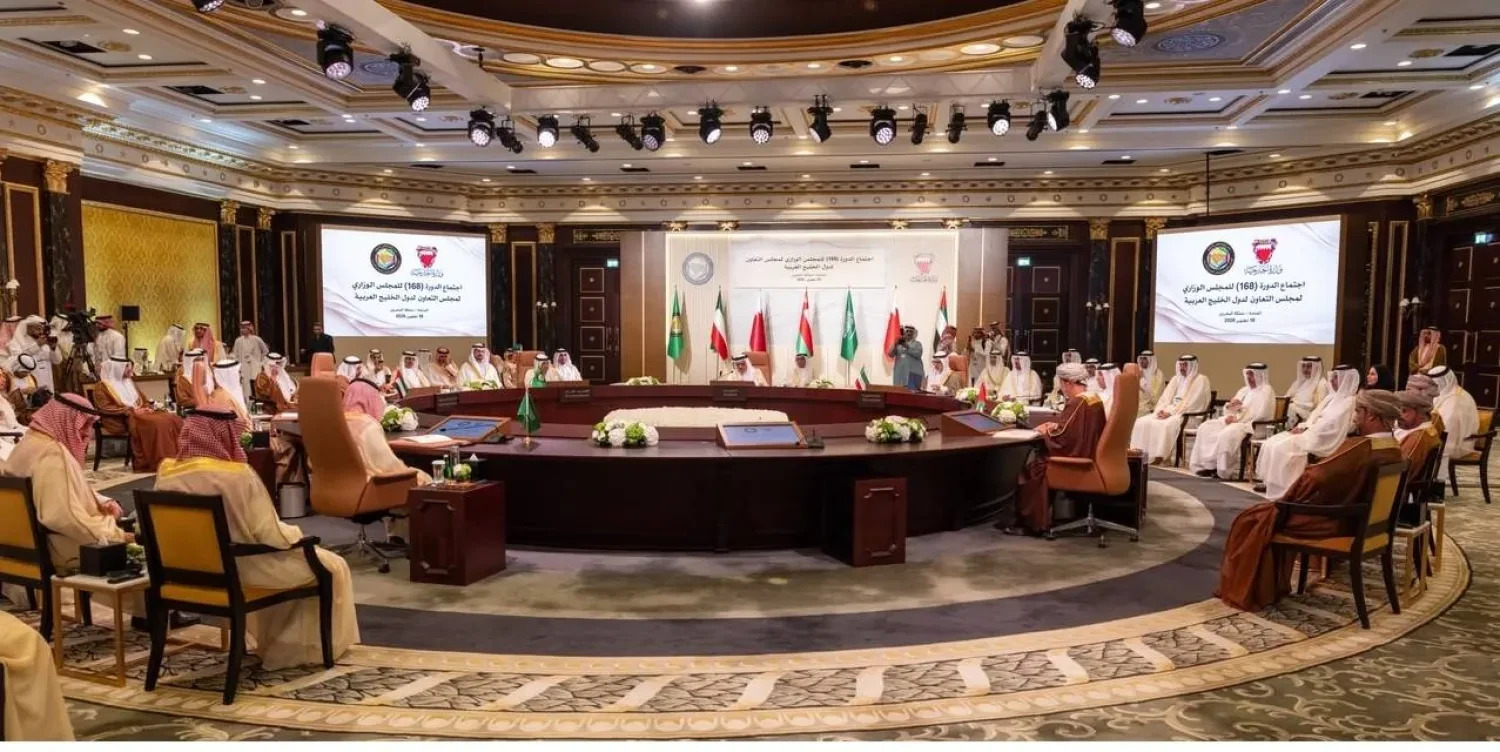
Gulf foreign ministers last month did something they rarely do.
In their Oct.
18 postsummit communique, they invoked the joint defense agreement signed in Manama in December 2000: an attack on one member, they said, is an attack on all six.
Days later, Houthi attacks put the area around Makkah in danger.
On Sunday, the Coalition to Restore Legitimacy in Yemen struck Houthi missile and drone sites.
The next day, another ballistic missile was intercepted over southern Saudi Arabia.
The words, then, have been said.
The harder question is legal.
What does the Gulf’s defense pact actually require and has anyone yet done it? The agreement is unambiguous.
The member states regard aggression against any one of them as aggression against all and commit to assisting the state attacked with all necessary measures, including military force.
That is not a declaration of friendship.
It is a treaty obligation.
Nor does it stand alone.
Article 51 of the UN Charter preserves the right of collective, not only individual, self-defense.
Article 52 expressly recognizes regional arrangements such as the Gulf Cooperation Council as legitimate instruments of peace and security.
Beneath both sits the Arab League’s Joint Defense Treaty of 1950.
The Gulf does not need a new law to stand together.
It needs to use the law it already has.
Any response must respect necessity and proportionality.
Collective defense is a shield, not a swordDr.
Bashayer Al-Majed Collective self-defense has conditions and the International Court of Justice set them out in the Nicaragua case of 1986.
There must be an armed attack.
The state attacked must declare that it has been attacked and ask for help.
Collective defense cannot be imposed on a victim; it must be invited.
The first condition is plainly met.
Repeated missile and drone strikes on civilian airports and energy infrastructure are an armed attack by any reasonable definition.
The second is a matter for Riyadh, which has so far relied on its own forces while keeping diplomacy open.
That restraint is wise and it strengthens the Kingdom’s legal position.
There is a....